
Engineering Connected Intelligence for IoT & Sensor-Driven Systems
The Era of Connected, Data-Driven Devices
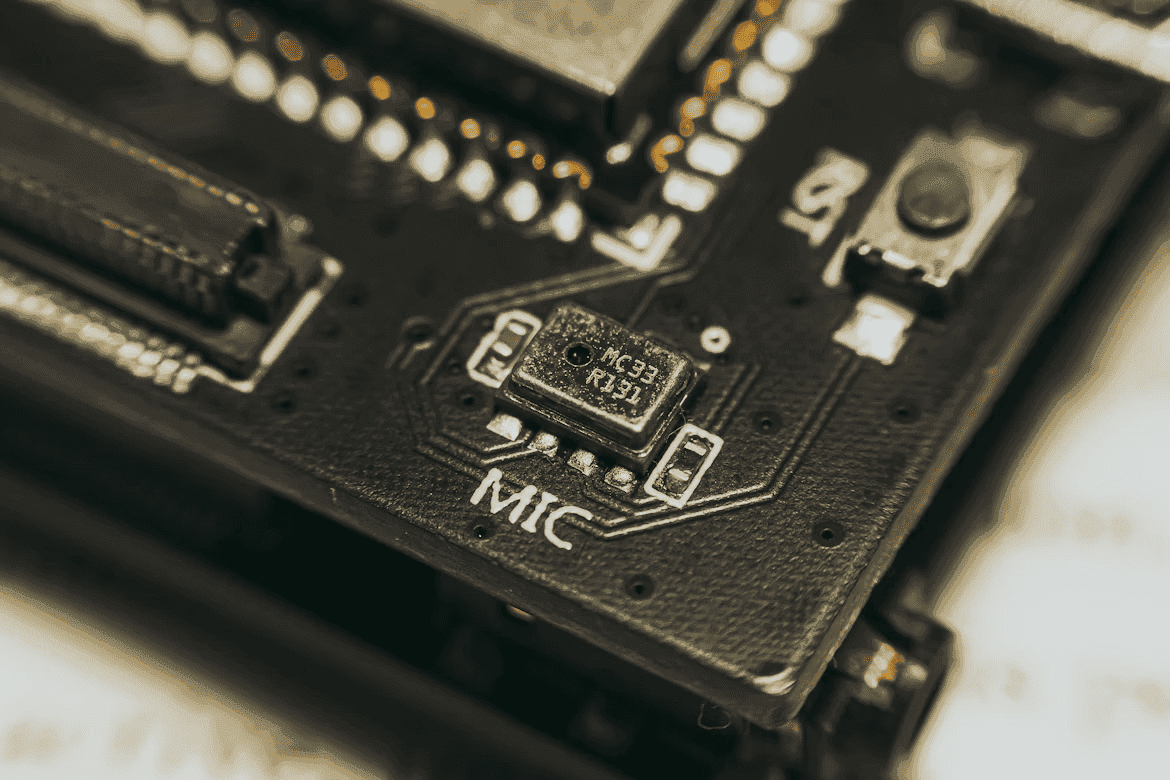
The Internet of Things has transformed everyday devices into connected, data-generating systems. From smart homes and wearable technology to industrial monitoring and healthcare devices, IoT solutions rely on compact, power-efficient hardware integrated with intelligent software.
At the core of every IoT ecosystem lies a combination of sensors, low-power silicon, embedded firmware, and secure connectivity. These systems must operate reliably in diverse environments—often with limited power budgets, constrained processing resources, and strict cost targets.
Sensor integration adds another layer of complexity. Signal conditioning, calibration, real-time processing, and data accuracy are critical to delivering meaningful insights. Whether capturing environmental data, motion signals, biometrics, or industrial parameters, precision and stability are essential.
As IoT deployments scale from prototypes to large networks, reliability, interoperability, and security become equally important. Engineering for these factors from the start determines whether an IoT solution can scale successfully.

Designing for Efficiency, Security, and Scale
Successful IoT and sensor-based solutions require tightly aligned silicon engineering and embedded systems expertise. Optimized SoC architectures, low-power design strategies, and efficient data paths ensure devices can operate longer and perform reliably under real-world conditions.
Firmware plays a critical role in managing communication protocols, sensor data handling, and power states. Early validation and structured verification reduce integration risks and improve deployment stability. Design-for-test strategies and post-silicon validation further strengthen product robustness before large-scale rollouts.
Security must be embedded at every layer—from hardware root-of-trust to encrypted communication and secure firmware updates. As IoT networks expand, scalability and maintainability become central design priorities.
In a world where billions of devices are connected, the companies that succeed will be those that engineer IoT systems with precision, efficiency, and long-term resilience. Strong engineering foundations turn connected devices into dependable, data-driven platforms.